100% Bio-Based
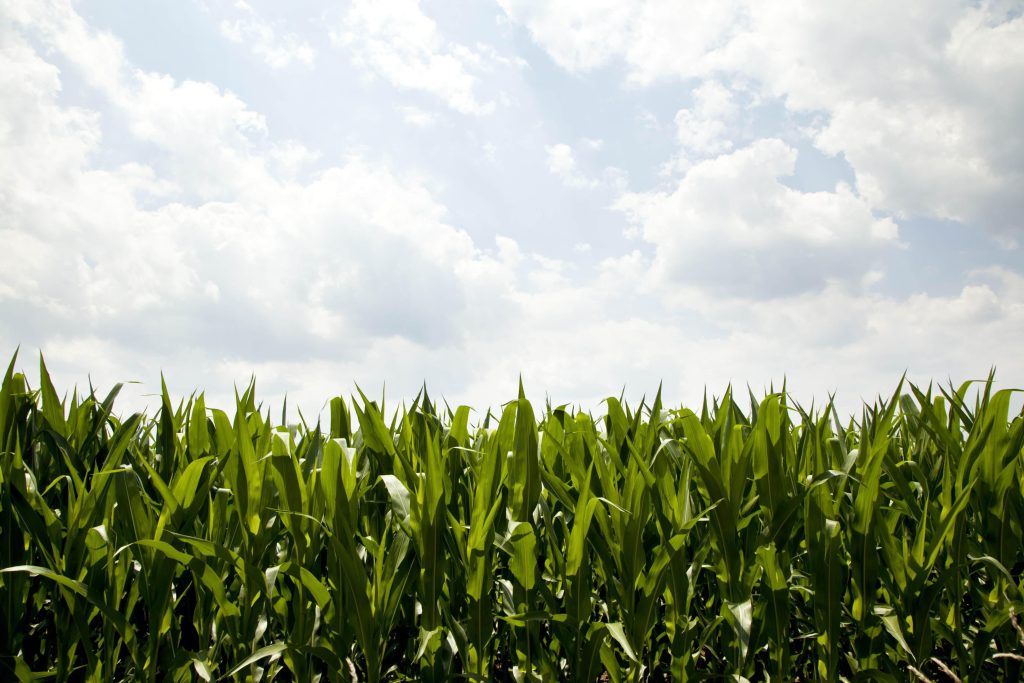
NOOSA® is a bio-based fiber derived from GMO-free crops such as corn, sugarcane and wheat, highlighting a shift away from fossil fuels.
NOOSA® provides a solution to shift towards a circular textile industry. NOOSA® fiber is entirely bio-based and designed to be recycled using our patented technology. This approach results in a lower environmental footprint compared to traditional materials used in the textile industry.
Commitment
NOOSA® is a bio-based fiber derived from GMO-free crops such as corn, sugarcane and wheat, highlighting a shift away from fossil fuels.

Our NOOCYCLE® technology transforms discarded textiles back into a 100% virgin quality fiber, bringing the industry to an unprecedented level of circularity.
We continuously reduce our environmental impact. Our lifecycle assessment shows NOOSA® fiber cuts CO2 emissions by 30% and water usage by 50% compared to conventional cotton.
*NOOSA®LCA PEFCR (2020)
TEXTILE WASTE AFFECTS ALL OF US
This is the impact of the industry
92M tons
of textile waste is produced per annum globally.
70% fossil-based
70% of the fibers produced are synthetics.
<1%
of textile waste is recycled.
Carbon footprint
The textile industry generates roughly 1.2. billion tonnes of CO2 eq., equivalent to 10% of global GHG emissions.
Our Answer
NOOSA® aims to revolutionize the textile industry by offering an innovative and circular fiber. Created from bio-based materials, NOOSA® fiber is recyclable thanks to its patented recycling process, and this endlessly.
Our technology transforms discarded textiles back into a 100% virgin quality fiber.

in water use compared to conventional cotton.
of CO2 emissions compared to conventional cotton.
At NOOSA®, we are dedicated to obtaining the appropriate certifications at every stage of the value chain, from feedstock sourcing to recycling. Our aim is twofold: to consistently lower our environmental footprint and eliminate the use of harmful chemicals. Additionally, our commitment extends to ensuring the well-being of individuals involved in our processes, as we believe in a holistic approach that considers both the environment and the people.
How our work impacts the SDGs
The Sustainable Development Goals (SDGs) are 17 objectives set by the United Nations to address global challenges like poverty, inequality, and climate change by 2030. NOOSA® contributes to these goals by promoting circular production and consumption, demonstrating how businesses can support the SDGs and foster a better future.
NOOSA™ is a bio-based fiber derived from GMO free crops, highlighting a shift away from fossil-based fibers to bio-renewable fibers. This represents an important innovation in the material industry. Moreover, NOOSA™ fiber is produced with a reduced environmental impact compared to traditional fibers such as cotton and polyester.
By creating a 100% bio-renewable and 100% recyclable fiber, NOOSA™ promotes resources efficiency as it reduces the demand for virgin resources and generates less waste. Moreover, NOOSA™ has a reduced environmental impact compared to conventional fiber. NOOSA™ fiber shows a 30% reduction in CO2 emissions compared to conventional cotton and a 50% reduction in water use. NOOSA™ contributes to the transition towards a circular economy by being designed for recycling at the end of its lifecycle promoting responsible consumption and production.
NOOSA™ is a bio-based fiber derived from GMO free crops, highlighting a shift away from fossil fuels. Moreover, by creating a 100% recyclable fiber, the long-term objective of NOOSA™ is to reduce the demand for virgin resources by using the recycled fiber as raw material. In addition, NOOSA™ has a reduced carbon footprint compared to conventional fiber. NOOSA™ fiber shows a 30% reduction in CO2 emissions compared to conventional cotton.
Through its products, NOOSA™ also aims to re-boost the European textile industry that has lost skills, expertise, and infrastructure when it comes to advanced materials. NOOSA™ relies on a network of textile manufacturers, research institutions and government institutions to create global partnerships to promote the widespread adoption of more innovative textile materials. We believe we can only achieve a systemic change by working altogether.
Do you want to help us bring the textile industry to circularity?
Are you interested to know more about our positive impact for the textile industry? Do you want to help us improve our impact even more? We look forward to connecting with you!