Our products

NOOSA® offers a wide range of textile products made from NOOSA® PLA: staple fibers, multifilament, spun yarns, fabrics and end-products. Our recyclable fibers can be used for different applications thanks to their innovative properties.

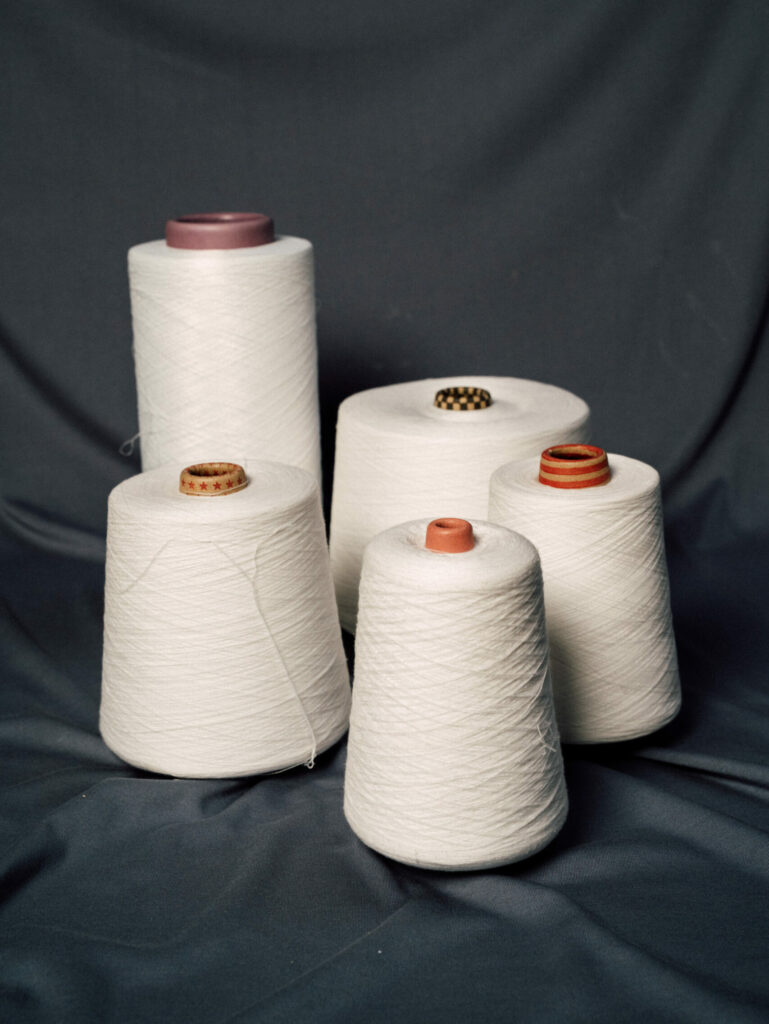
NOOSA® PLA spun and filament yarns bobbins bio based and microplastic free on a blue fabric

Our Products

Staple fiber

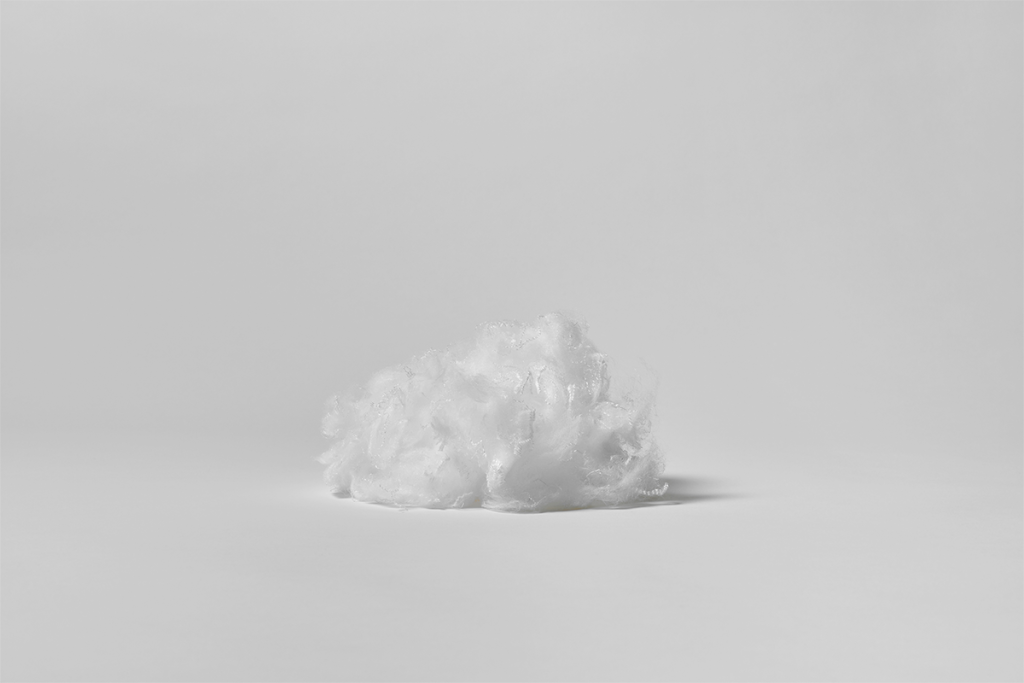
NOOSA® PLA staple fibers range from 1.33 to 4 dtex in various lengths. They can be spun into yarns, used as filling material or blended with other fibers to obtain unique blended yarns. This makes them an excellent choice for a wide range of textile products.
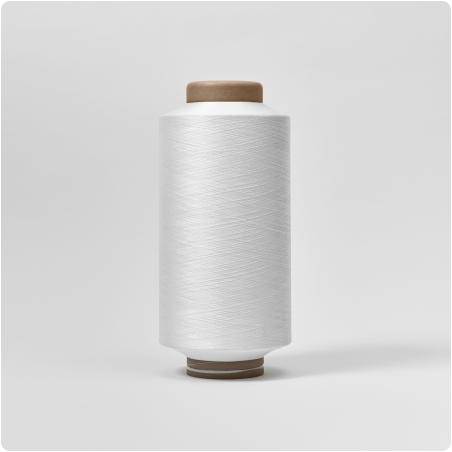
Spun yarn

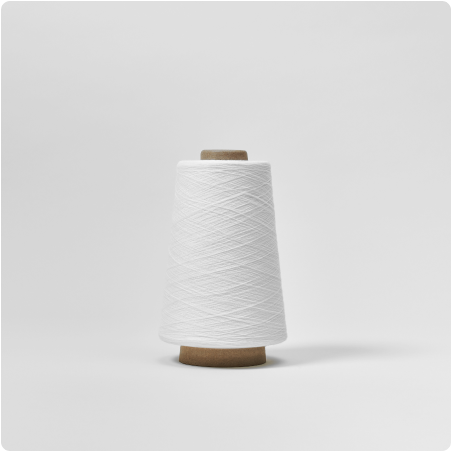
Our spun yarns range from Ne5 to Ne100. Thanks to their softness, moisture management and lightness, our spun yarns are ideal to be in contact with skin or for winter fabrics such as sweaters and blankets.

Multifilament

NOOSA® PLA DTY multifilament yarns range from 44 to 167 dtex. They are smooth, fine, and strong, making it ideal for lightweight, fluid and performant fabrics used for sports, lining and even more technical applications.

Knitted fabric

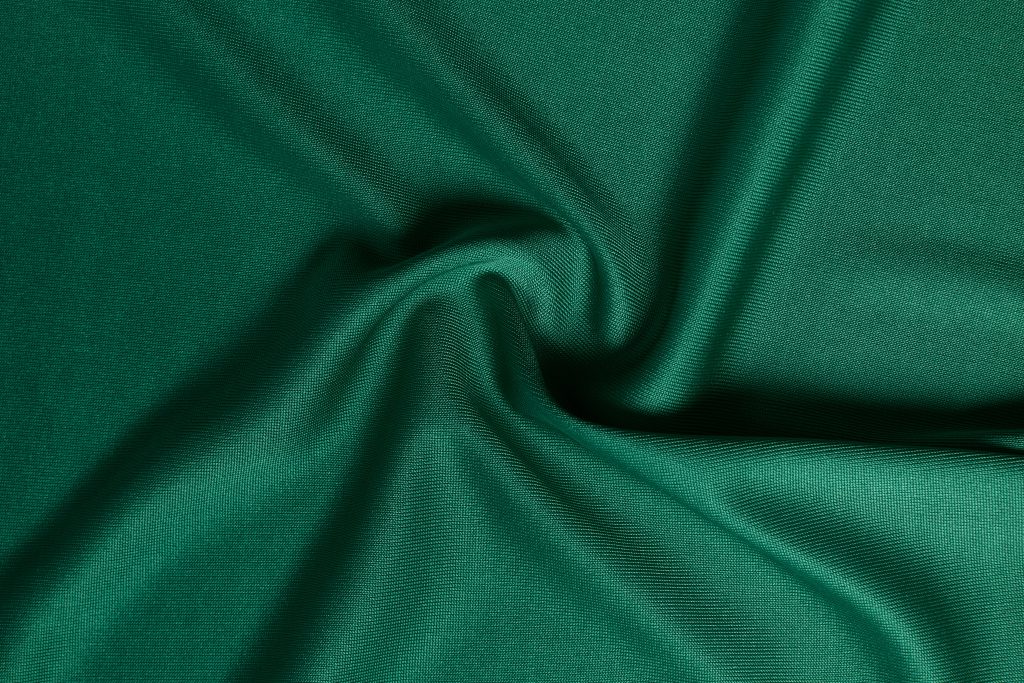
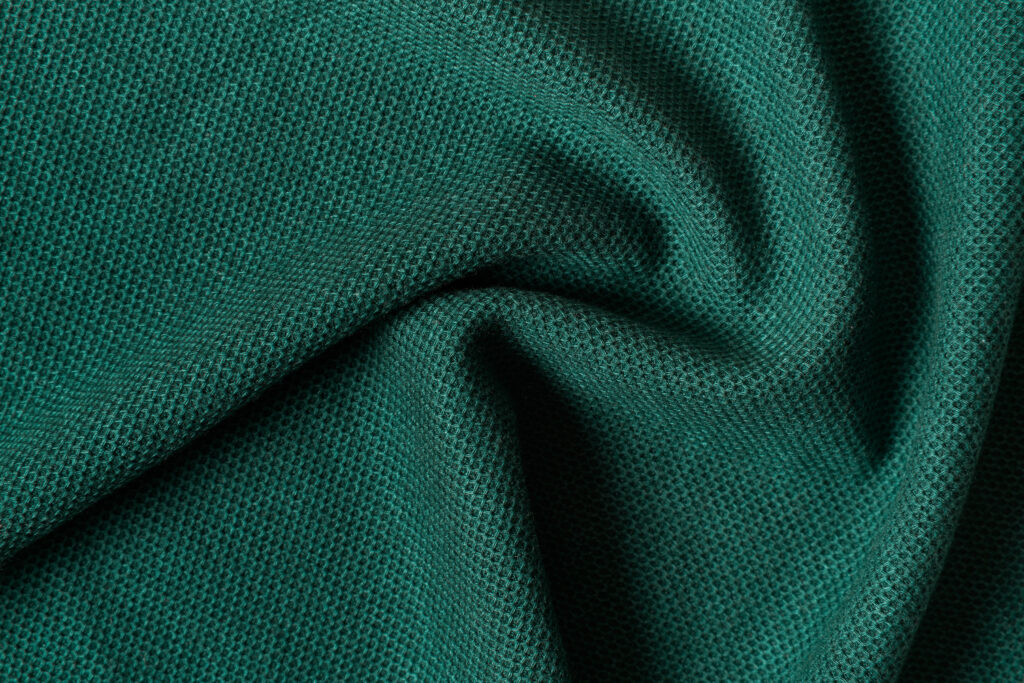
NOOSA® yarns unlock a wide range of knitted fabric constructions—from jersey and interlock to fleece, piqué, and even seamless designs. Their adaptability makes them a smart solution for brands seeking comfort-forward and high-performance textiles.

Woven fabric

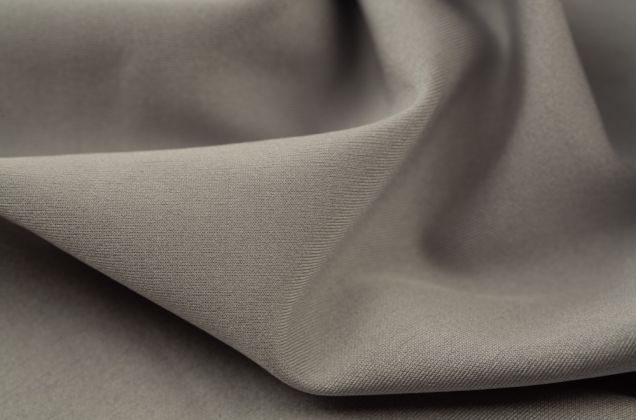
NOOSA® yarns can be woven into a variety of fabric structures—including plain, twill, gauze, and velvet—making them a versatile choice for diverse textile applications.
Whether you’re designing for comfort, durability, or sustainability, NOOSA® woven fabrics deliver the performance and feel your products deserve.

Casualwear

Beyond supplying high-performance fiber and yarn, NOOSA® also delivers finished garments tailored to your needs. Whether you’re looking for apparel, sportswear, or workwear, our end-products are designed to meet the highest standards of comfort and performance.

Key benefits for manufacturers

Innovative properties

Experience the cutting-edge features of our fibers and yarns, renowned for their innate comfort, exceptionally low absorbency, durability, and superior performance.

Technical support

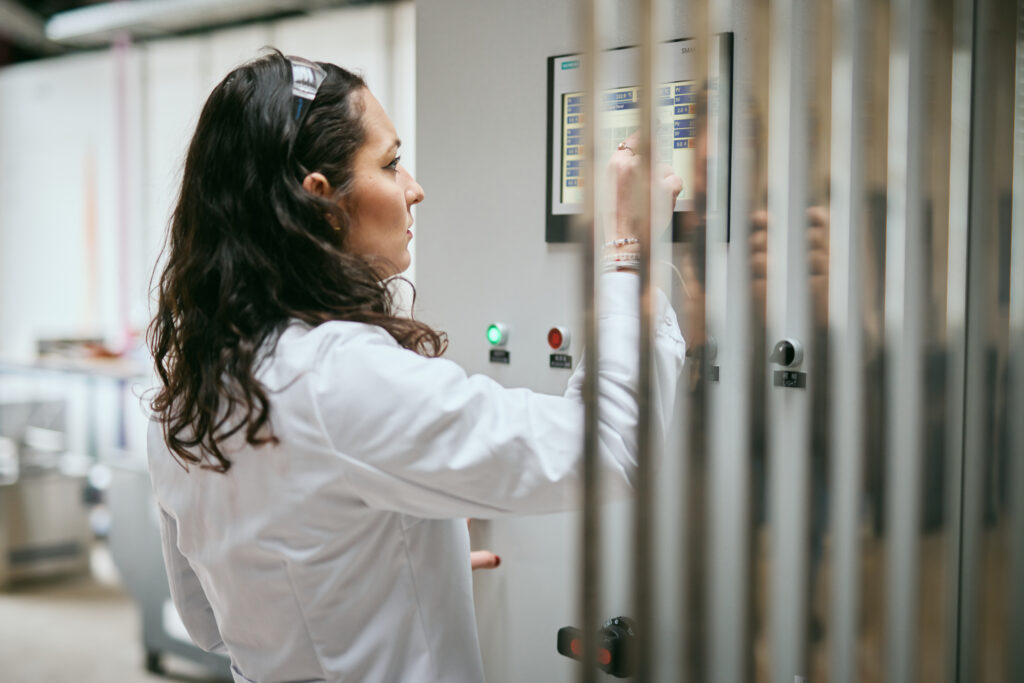
Benefit from our comprehensive technical support services, tailored to optimize results at every stage of the manufacturing process, spanning from yarn spinning to thermosetting.

Properties

  • UV stability

    NOOSA® fiber shows great resistance to ageing and UV exposure, making it ideal for outdoor applications and home applications.

  • Low flammability

    NOOSA® fiber is low flammable and more resistant compared to cellulosic, a key advantage for home and children applications.

  • Increased breathability

    NOOSA® fiber allows body moisture and vapors to be released to ensure high performance and avoid discomfort.

  • Anti-odor

    Thanks to its breathability and low moisture regain, NOOSA® fiber allows body’s natural humidity and odor to evacuate.

  • Antimicrobial

    NOOSA® PLA fiber prevents bacterial growth, ensuring a better hygiene on a daily basis.

  • Allergy-free

    Due to a pH level similar to the skin, NOOSA® PLA fiber is compatible and ideal for people with sensitive skin.

Applications

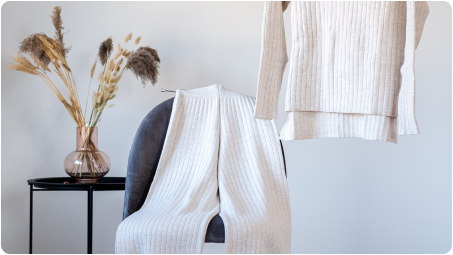
Beige knit sweater and pants displayed on a chair showing the apparel applications of NOOSA™'s bio-based and recyclable fiber.
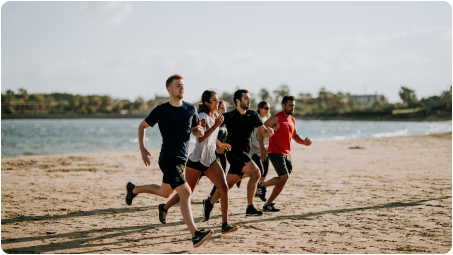
People running on a beach showing the activewear application of NOOSA™'s bio-based and recyclable fiber.
A cook wearing an apron showing the jobwear application of NOOSA™'s bio-based and recyclable fiber.
 

Get in Touch

We love talking about NOOSA® and the cool products we make with it.

Are you a yarn spinner or a knitter looking for an innovative fiber? Are you a fabric manufacturer or a brand looking for a bio-based alternative? Let’s explore collaboration together.

NOOSA™'s team members chatting and smiling around a table.

Frequently Asked Questions

  • Are NOOSA® PLA fabrics durable?
    Yes. NOOSA® PLA is stable during wear, washing, and storage, and is designed to last as long as conventional fibers. It does not biodegrade under normal conditions of use. NOOSA® PLA textiles maintain strong mechanical stability, UV resistance, and colorfastness throughout their useful life - and outperform many generic PLA fibers on the market precisely because NOOSA® PLA has been engineered for textile performance.
  • Why is NOOSA® PLA particularly well-suited to workwear and uniforms?
    NOOSA® PLA brings together the two things workwear demands most: performance and a credible sustainability story. It offers excellent tensile strength, shape retention, UV resistance, and natural bacteriostatic properties - all critical in professional environments. It passes industrial washing tests (ISO 15797), withstanding repeated cycles without deformation. Beyond performance, workwear also has structural advantages for circularity: uniforms are tracked, replaced on schedule, and often centrally collected - creating the ideal conditions for NOOCYCLE® closed-loop recovery. With NOOSA® PLA, when a uniform reaches the end of its life, the fiber does not.
  • Is NOOSA® PLA suitable for industrial washing?
    Yes. NOOSA® PLA products pass ISO 15797 industrial washing tests. They remain stable after multiple cycles, including tumble drying and tunnel finishing. Only white products may show slight yellowing after repeated tunnel finishing - a consideration to factor in for white uniform programs.
  • How does NOOSA® PLA address heat resistance and dyeing challenges associated with PLA?
    Standard PLA has a melting point of approximately 170°C and a glass transition temperature of approximately 85°C, which require adapted processes. These are well-understood properties, and NOOSA® provides optimized guidelines at every stage - from processing and dyeing to finishing - to ensure consistent results, including dark shades, using disperse dyeing with adjusted parameters. Home washing up to 60°C is safe. Ironing is not recommended for 100% NOOSA® PLA products but is possible for blends at temperatures below 100°C. NOOSA® is improving the properties of PLA fiber that exist in different product categories.
  • Is NOOSA® PLA only a replacement for polyester?
    Yes and no, it depends of the application. NOOSA® PLA is an excellent polyester alternative but also competes with natural and cellulosic fibers. It offers comfort, breathability, thermal insulation, natural bacteriostatic properties, and low odor retention. Its versatility makes it suitable for fashion, home textiles, activewear, and technical applications. Make sure to contact us if you have questions regarding a specific application.
  • What are the main uses of NOOSA® PLA fiber?
    NOOSA® PLA is used across a broad range of textile applications - from apparel and activewear (valued for its softness, breathability, rapid moisture transport, and bacteriostatic properties) to home textiles and professional workwear. Workwear and hospitality uniforms are a particularly natural fit, given existing replacement cycles and the potential for closed-loop NOOCYCLE® collection. It is also suited to eco-friendly packaging and non-woven fabrics.
  • Can NOOSA® PLA be blended with other fibers?
    Yes - and blending is one of NOOSA® PLA's key strengths. NOOSA® PLA blends well with cotton (adding softness and breathability), recycled polyester (boosting durability), and other natural fibers. Blending allows the final garment to be tuned for specific performance requirements without compromising on sustainability credentials. For end-of-life recyclability through NOOCYCLE®, a minimum NOOSA® PLA content of 50% is required - something we factor into blend recommendations from the start.
  • Is NOOSA® PLA dyeable?
    Yes. NOOSA® PLA can be dyed with disperse dyes, producing vibrant colors and strong lightfastness. Dark tones are achievable, and dope-dyed yarns give the highest fastness. Low-temperature, low-pH dyeing protects the fiber and ensures uniform results. Post-treatments can further improve fastness. NOOSA® provides guidelines for dyeing to its customers to ensure the most optimal results.
  • Can NOOSA® PLA achieve deep or vibrant colors?
    Yes. NOOSA® PLA can reach vibrant shades with dope-dyed fibers and yarns, which offer the best color fastness. With disperse dyes, dark colors are achievable in most cases by following our optimized dyeing recipes. These ensure uniform and durable results, making NOOSA® PLA suitable for both workwear and fashion applications.
  • Is NOOSA® PLA suitable for dark colors and fashion applications?
    Yes. NOOSA® PLA can achieve vibrant and deep colors with disperse dyes. For very dark shades, dope-dyed yarns offer the best color fastness. Conventional dyeing also performs well with optimized low-temperature recipes, making NOOSA® PLA suitable for a wide range of fashion aesthetics and workwear identity programs.
  • Can NOOSA® PLA fabrics be printed?
    Yes. NOOSA® PLA works well with digital, screen, and transfer printing. Pigment and UV-curable inks create bright, durable prints without requiring high heat. Sublimation printing is not suitable, as it requires temperatures above PLA's thermal limits. Heat sensitivity is easily managed with low-temperature curing.
  • Do you provide colored yarn?
    Our standard product is white, but we can offer colored yarn on demand with a minimum order quantity (MOQ). We can also provide a dyeing guide for partners who prefer to dye at their stage of the process.
  • What are the functional benefits of NOOSA® PLA compared to other biobased alternatives such as PBS and PHA?
    NOOSA® PLA offers skin-friendly pH, natural elongation, low flammability, anti-static properties, good breathability, and low odor retention. PBS focuses on softness and stretch recovery, while protein fibers such as PHA provide softness and reduced pilling. PLA is currently the most commercially mature, scalable, and recyclable biobased textile fiber available - and NOOSA® PLA is its highest-performance textile incarnation.
  • What collaborative strategies help advance adoption of biosynthetics like NOOSA® PLA?
    Capsule collections are a practical first step for brands wanting to test the material. Trust between innovators and brands, supply chain collaboration from designers to recyclers, and regulatory incentives are all key to scaling biosynthetic alternatives. NOOSA® works closely with partners at every stage to support this transition - from fiber to garment to recycled fiber again.