100% Recyclable

NOOSA® produces a bio-based textile fiber that is 100% recyclable thanks to our NOOCYCLE® technology and this, endlessly. Our mission is to reduce and revalorize textile waste along the entire value chain, from pre-consumer to post consumer level. Join us in our commitment to circularity and innovation.
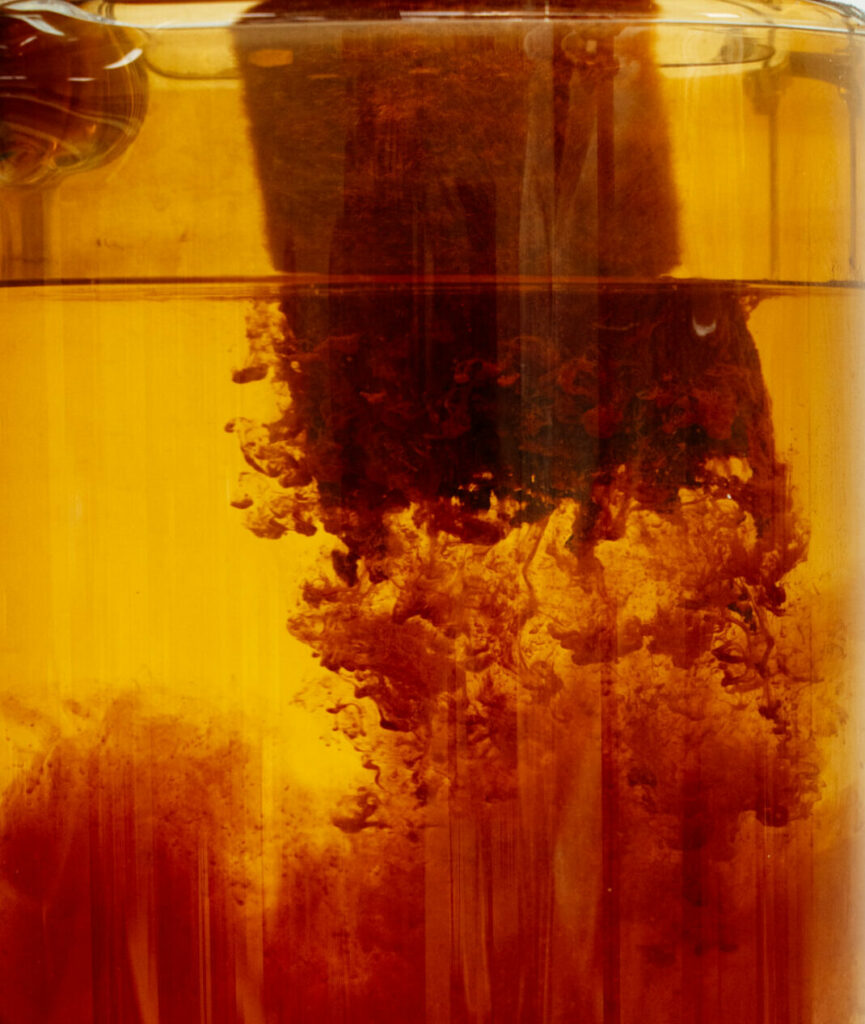
Chemical recycling NOOSA® polylactic acid infinite textile fabric dissolving

NOOCYCLE®

How we make NOOSA® fiber endlessly recyclable

NOOCYCLE® is a patented chemical recycling technology that transforms used NOOSA® PLA textiles back into 100% virgin-quality fiber.
The process separates PLA from additives, pigments and blended components, ensuring uncompromised purity and performance. After collection and sorting, materials are depolymerized, purified and regenerated into new textile fiber. By maintaining fiber integrity throughout each cycle, NOOCYCLE® enables continuous renewal, significantly reducing waste and establishing a closed-loop system where materials circulate seamlessly back into production.

Shredding

Recovered textiles made out of NOOSA® are shredded and turned into a bulk blend of fibers.

Purification

The recovered solution is filtered again and purified to isolate lactic acid.

Extrusion of a virgin-quality fiber

The pellets are processed into virgin-quality NOOSA® fibers and filaments. There is no difference between virgin and recycled NOOSA® fibers because of our selective recycling technique.

Polymerization

Lactic acid can then be re-polymerized to produce virgin-quality polylactic acid pellets.

Depolymerization

The solubilized NOOSA® fiber undergoes a depolymerization process turning it back into lactic acid, its original building block.

Solubilization & Filtration

Through NOOCYCLE™ technology, the fiber blend is solubilized in a green solvent to allow the separation of NOOSA® fiber from all other compounds (other materials, pigment and dies, additives…)

NOOCYCLE® is only one part of the solution.

Help us bring the textile industry to circularity.

Bringing the textile industry to circularity and changing the current linear and wasteful system extends beyond simply recycling NOOSA® fiber. It requires a reimagination of the entire lifecycle of textile from initial design and choice of fibers to textile production and end-of-life. This is essential to create a fully circular textile economy.
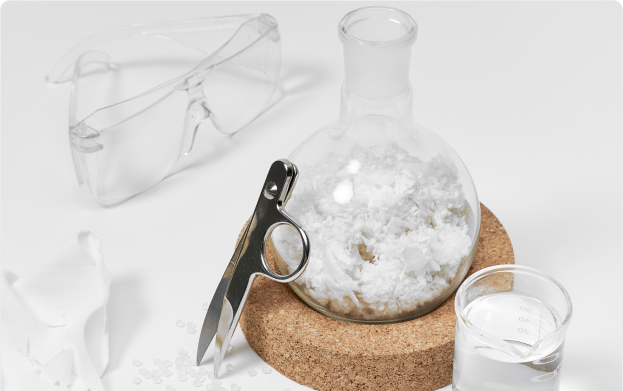
Lab setup representing NOOSA™´s textile recycling process, with PLA pellets, a flask with PLA scraps and a liquid solution.

Design for easier recycling

  • Think of the end-of-life

    at the design phase of your product.

  • Push mono-material products

    when it is possible, to facilitate and encourage the recycling worldwide.

  • Limit hard points or non-textile elements

    in your products to ease the disassembly.

  • NOOCYCLE®, our recycling technology

    If not possible, NOOCYCLE® allows us to achieve the full separation of material blends.

Get in Touch

Do you want to help us recycle?

You think your expertise can benefit us in closing the loop? You are an actor from the textile value chain and want to revalorize your “made in NOOSA®” products? Let’s explore collaboration together.
NOOSA™'s team members chatting and smiling around a table.

Frequently Asked Questions

  • Can NOOSA® PLA be recycled?
    Yes. Through NOOCYCLE® - our patented chemical recycling technology - NOOSA® PLA can be fully depolymerized and turned back into virgin-quality PLA fiber. The process is selective, can separate PLA from other fibers or components, and produces output that is equivalent in performance to new fiber. This enables true circularity without downcycling or performance loss. NOOSA® PLA is the only textile fiber with this guarantee.
  • Can blended fabrics containing NOOSA® PLA be recycled?
    Yes. NOOCYCLE®'s selective dissolution process can process PLA-rich blends and separate NOOSA® PLA from other fiber components. While 100% NOOSA® PLA is the optimal scenario, blends are manageable and already being treated at pilot scale. A minimum 50% NOOSA® PLA content is required for recycling eligibility. Dedicated NOOSA® PLA recycling streams are growing as the take-back network expands.
  • What happens to the dyes and additives during NOOCYCLE® recycling?
    Dyes and additives fall out of solution during the solubilization stage and are then filtered and removed. The recovered PLA returns to production as clean, virgin-quality fiber - ready to be extruded and spun into new textiles.
  • How do you organize the recycling of end-of-life garments?
    The recycling of textiles containing NOOSA® PLA fiber is organized on a case-by-case basis, depending on the waste stream (post-industrial, pre-consumer or post-consumer). We ask our customers to bring back used textiles to our recycling facility. For B2B contexts such as uniforms and workwear, brands return garments directly to NOOSA®. For B2C, third-party logistics support collection depending on the brand's strategy. After recycling, customers receive a recycling certificate.
  • Have you worked with customers to collect end-of-life garments?
    Yes. Currently, post-industrial and pre-consumer textiles are recovered directly from partner mills. For post-consumer waste, the process is organized case by case with the brand. A concrete example is the R-SOCK circular sport sock with NOLT, replaced each rugby season (every four months). This take-back model is directly replicable for workwear and uniform programs - where garments are already centrally managed and replaced on schedule.
  • What is your vision for reverse logistics at end of product life?
    Post-industrial waste is recovered directly from partner mills. For B2B (uniforms, workwear), brands return used garments to NOOSA®'s recycling facility. Long-term, as NOOCYCLE® scales, recycled NOOSA® PLA fiber will progressively reduce the need for virgin biomass inputs - moving toward a system where the loop is truly closed.
  • What resources are available on traceability and recycling?
    NOOSA® provides feedstock traceability certifications (biobased, GMO-free, ISCC+), product certifications (Oekotex, ISO), and company-level B Corp certification. We can also provide a Life Cycle Assessment (LCA), recycling process efficiency studies, and property test reports on demand. After NOOCYCLE® processing, customers receive a recycling certificate confirming the recovery of their fiber.