Every year, tens of thousands of runners take to the streets of Brussels for one of Belgium’s most iconic races. This year, some of them did something else too: they crossed the finish line wearing a t-shirt that can go back to the beginning.
What Makes a Sport T-Shirt Circular?
Most sportswear is made from polyester. It performs well, it’s lightweight, and it dries fast. But it is derived from fossil fuels, it sheds microplastics with every wash, and at end of life, it goes to landfill or incineration. That is where most sport t-shirts end up after a few races, a few washes, and very little else.
A NOOSA® sport t-shirt is different. Not in how it looks or performs on race day, but in what it is made of and what happens to it afterward. Two things set it apart.
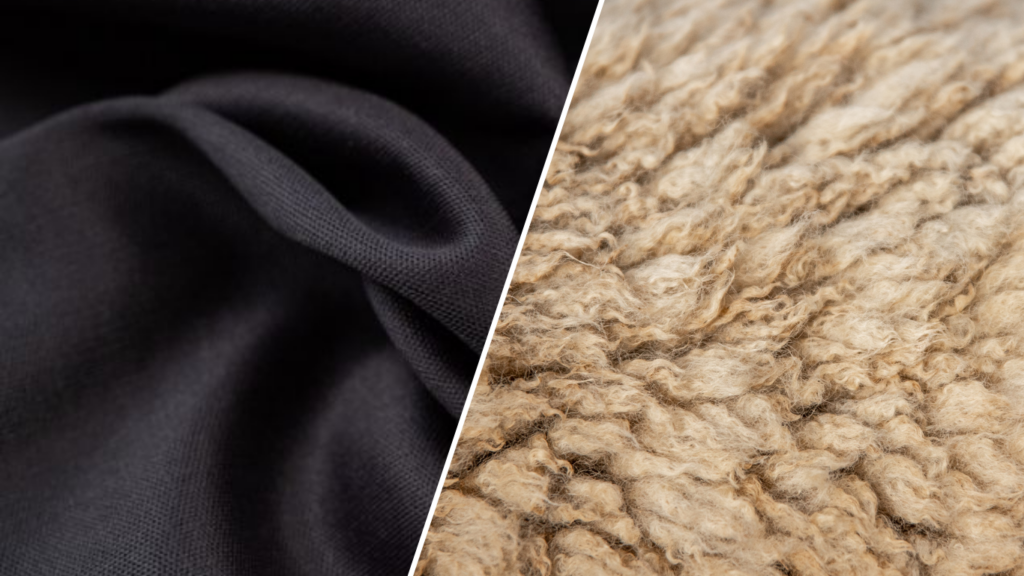
The first is that NOOSA® fiber is bio-based, derived from GMO-free crops such as corn, sugarcane and wheat. That means it does not depend on fossil fuels to exist. It delivers the same technical performance athletes expect: breathability, moisture management, low absorbency, and comfort against the skin, while starting from a fundamentally different raw material.
The second is that it is recyclable endlessly. Through NOOCYCLE®, our dedicated recycling technology, used NOOSA® garments can be transformed back into 100% virgin-quality fiber, again and again. Nothing is lost. The t-shirt you run in today can become the fiber for a new garment tomorrow.
Together, these two properties are what make NOOSA® genuinely circular, not just better than conventional polyester, but built for a completely different model.
WWF at the Start Line for the Second Year Running
This year, WWF joined the 20 km of Brussels in NOOSA® t-shirts for the second consecutive year. That kind of repeat commitment says something.
Choosing circular sportswear for a team event is not a complicated decision, but it is a deliberate one. It means thinking about what your team wears, not just as a branding exercise, but as part of the same values you show up to represent. For an organisation like WWF, that alignment matters.
And they are not alone. More and more teams are making this choice for corporate races, charity runs and sporting events, because the option now exists to kit out your team without contributing to the problem your event was built to raise awareness about.
Sport Events Are a Sustainability Opportunity
A race like the 20 km of Brussels brings together thousands of people, dozens of corporate teams, and a significant amount of branded merchandise. Most of that merchandise is made from virgin polyester. Most of it will be worn a handful of times and discarded.
It does not have to work that way.
The textile industry is responsible for roughly 10% of global CO2 emissions and is one of the largest sources of microplastic pollution in the world’s oceans. Sport t-shirts are often worn briefly and replaced often, and they sit in the less sustainable end of that picture.
Switching to a circular fiber does not require changing your design, your printing process, or your supplier relationships. NOOSA® fiber integrates seamlessly into established production processes. The transition is simpler than most teams expect.
The Finish Line Is Not the End
Sustainability does not stop when the race is over. If the t-shirt goes to landfill on Monday morning, the effort to make it circular in the first place is wasted. That is why NOOSA® is built around the full loop: bio-based production, technical performance, and end-of-life recovery.
The teams that chose NOOSA® at this year’s 20 km of Brussels are proving something worth proving: that performance and circularity are not in tension. You can run fast and run circular.
That is what we are building. One race at a time.
Want to kit out your team in 100% circular sport t-shirts for your next event? Get in touch at hello@noosafiber.com