Knowledge Hub

Welcome to the NOOSA® knowledge hub.

Blog

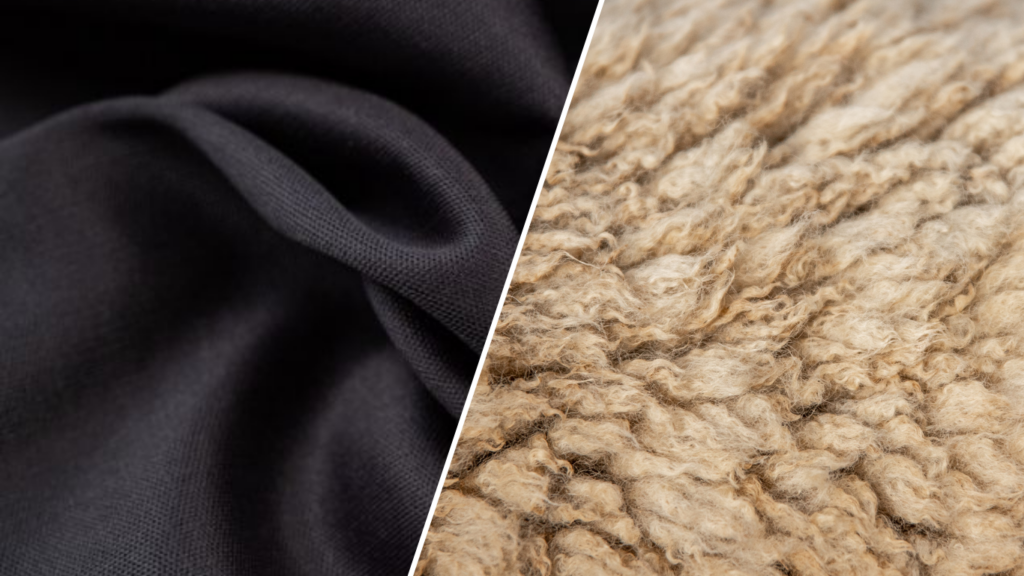
NOOSA® PLA vs Wool: Innovation Meets Tradition

Wool has been present in textiles for millennia, while NOOSA® PLA represents a new generation of sustainable fibers. Both have unique qualities, but they differ in origin, performance, and environmental impact. Let’s ex ...

Blog

20 km of Brussels: Running for Circularity

Every year, tens of thousands of runners take to the streets of Brussels for one of Belgium’s most iconic races. This year, some of them did something else too: they crossed the finish line wearing a t-shirt that can ...
Blog

From Fiber to Disassembly: Circularity in Practice

A Circularity Experience by NOOSA® and Resortecs in collaboration with MAD Brussels. What if circularity didn’t start at the end of a product’s life, but at its very beginning? On the eve of Textile Recycling Exp ...
Blog

"Aiming for 24% of materials to be circular by 2030"

The European Union’s Circular Economy Action Plan marks a decisive shift away from the traditional linear model of take, make, waste toward a regenerative system where materials are continually cycled back into use. This ...
Industry News
December 8, 2025
Fashion for Good

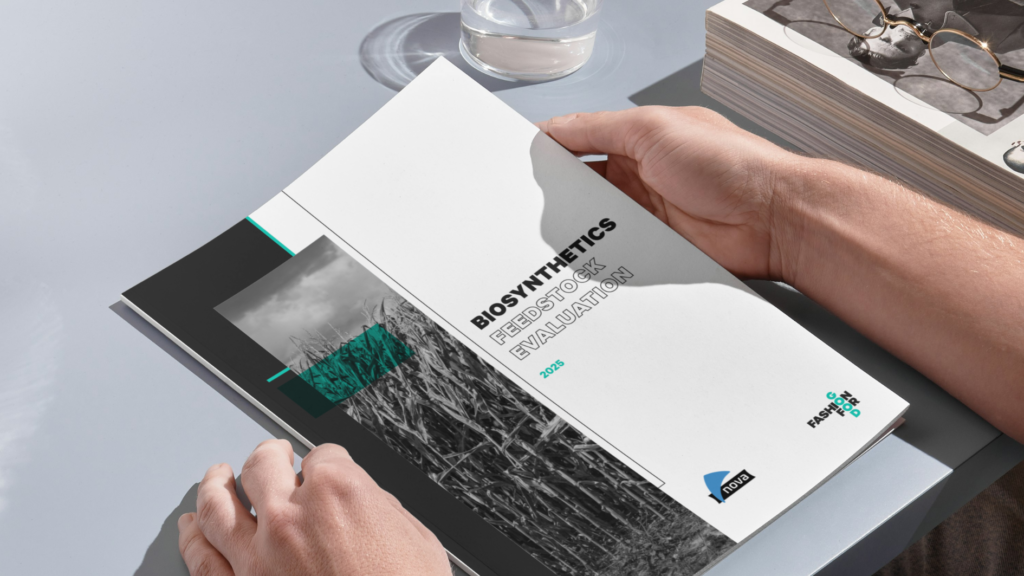
The latest Biosynthetics Evaluation: what is means for NOOSA PLA

Fashion for Good’s Biosynthetic Feedstock Evaluation looks at the feedstocks behind biosynthetic materials like PLA and weighs the risks of crops such as corn and sugarcane. It argues that responsible sourcing and strong certification can alleviate and mitigate these risks.

EURATEX logo
Industry News
January 22, 2025
EURATEX

PRO Forum to harmonize textiles EPR implementation

The undersigned PROs and business associations launch the Textile PRO Forum, a unique voluntary initiative designed to harmonize and share best practices for effective and efficient implementation of the Extended Producer Responsibility for textiles and footwear (Textiles EPR) across Europe.

Holland Bioplastics Logo
Industry News
June 25, 2024
Holland Bioplastics

Hydrolysis prevents the formation of persistent PLA microplastics

A new meta-study report commissioned by Holland Bioplastics, an association advancing bioplastics knowledge worldwide, concludes that the fundamental characteristics of polylactic acid (PLA), a biobased polymer made entirely from fermented plant sugars, and the hydrolysis process indicate that PLA does not produce persistent microplastics.