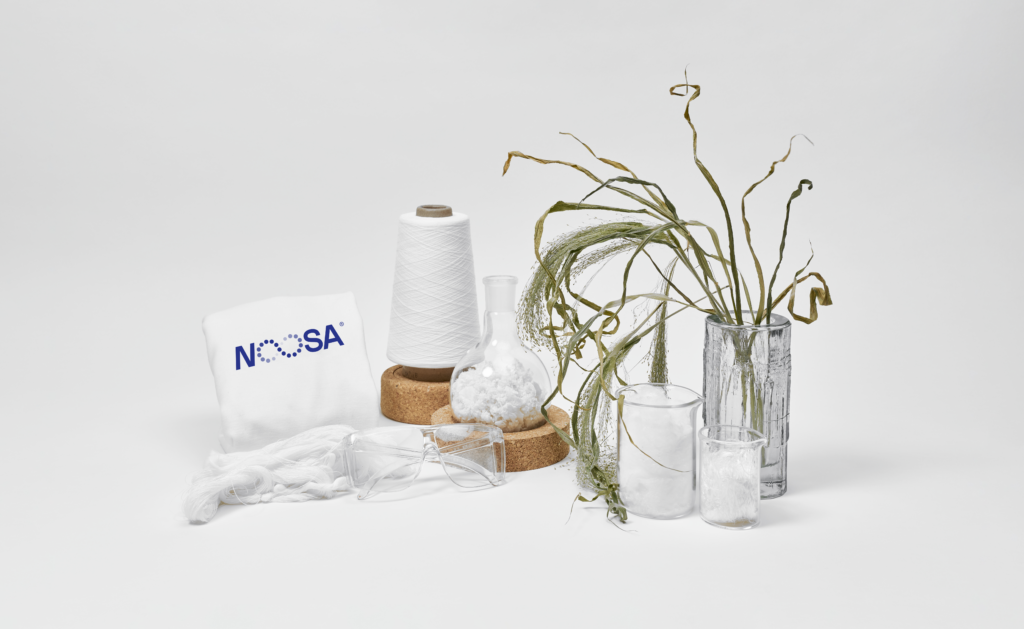
NOOSA®: Redefining Circular Textiles at World Expo 2025 in Osaka
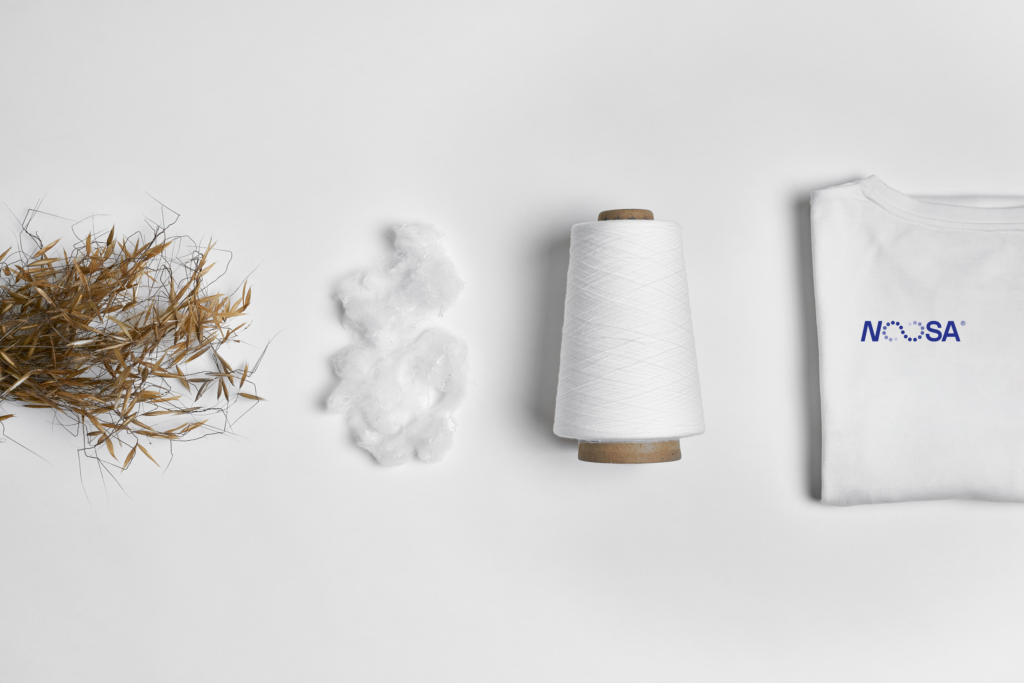
At NOOSA®, we believe innovation is the key to shaping a more sustainable future. That’s why we’re thrilled to announce that our 𝗡𝗢𝗢𝗦𝗔® t-shirts—crafted entirel ...
Welcome to the NOOSA® newsroom.

Case studies
At NOOSA®, we believe innovation is the key to shaping a more sustainable future. That’s why we’re thrilled to announce that our 𝗡𝗢𝗢𝗦𝗔® t-shirts—crafted entirel ...
Did you know that socks are the most replaced items in the world? Today, each of us throw on average seven pairs of socks per year. And this only in France accounts for 300 million pairs of socks thrown aw ...
In a powerful display of solidarity for environmental action, NOOSA™, has teamed up with ChangeNOW, a global platform for accelerating positive change. This collaboration marks a significant step forward ...
Press Releases
Fondée à Bruxelles fin 2019 par Luna Aslan, Noosa développe une fibre biosourcée entièrement recyclable. Grâce à sa technologie brevetée “Noocyle”, la jeune pousse belge ambitionne de transformer les pratiques d’une industrie textile désormais contrainte par de nouvelles réglementations environnementales européennes.
Opgericht eind 2019 in Brussel door Luna Aslan (Forbes 30 Under 30), ontwikkelt Noosa een 100% biobased en oneindig recycleerbare textielvezel dankzij hun gepatenteerde Noocycle technologie. Terwijl Europa vanaf september 2025 een uitgebreide verantwoordelijkheid oplegt aan textielproducenten, positioneert de Belgische start-up haar innovatie in het hart van een markt die midden in een regelgevingsomwenteling zit.
Thanks to the innovative NOOCYCLE® chemical recycling process, NOOSA® PLA fiber can be, ideally, endlessly recycled, reducing the dependence on virgin materials and sustaining a real, circular model.
Industry News
The undersigned PROs and business associations launch the Textile PRO Forum, a unique voluntary initiative designed to harmonize and share best practices for effective and efficient implementation of the Extended Producer Responsibility for textiles and footwear (Textiles EPR) across Europe.
A new meta-study report commissioned by Holland Bioplastics, an association advancing bioplastics knowledge worldwide, concludes that the fundamental characteristics of polylactic acid (PLA), a biobased polymer made entirely from fermented plant sugars, and the hydrolysis process indicate that PLA does not produce persistent microplastics.
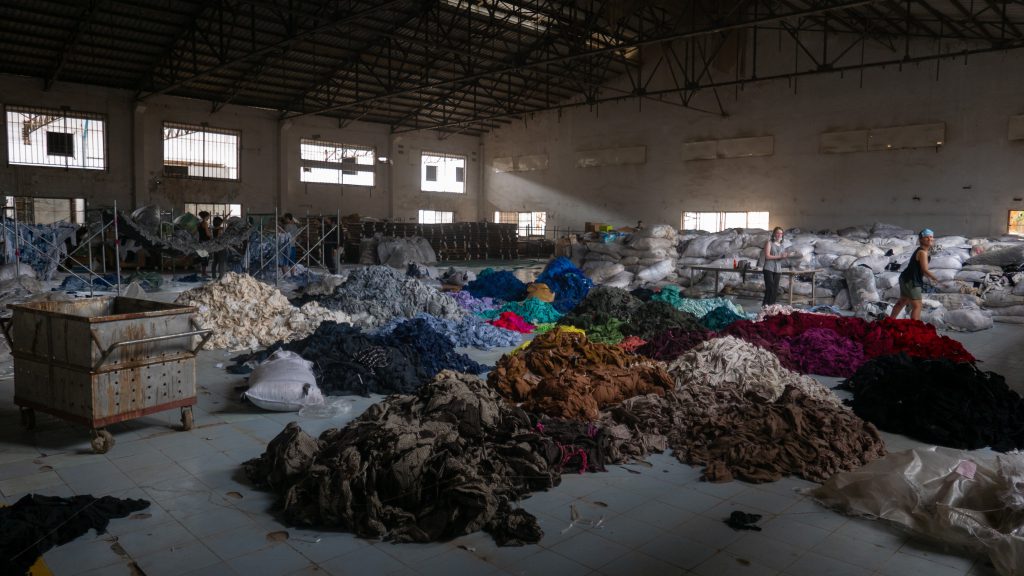
EU policymakers have recently decided to introduce a direct ban on the destruction of textiles and footwear with some exemptions for small, micro and medium-sized companies. In this briefing, the EEA provides an overview…
We love talking about NOOSA® and the cool products we have.
Are you a member of the press interested in covering our latest innovations and developments? We look forward to connecting with you!